The Complete Guide to Pakistani Folklore

- Published on
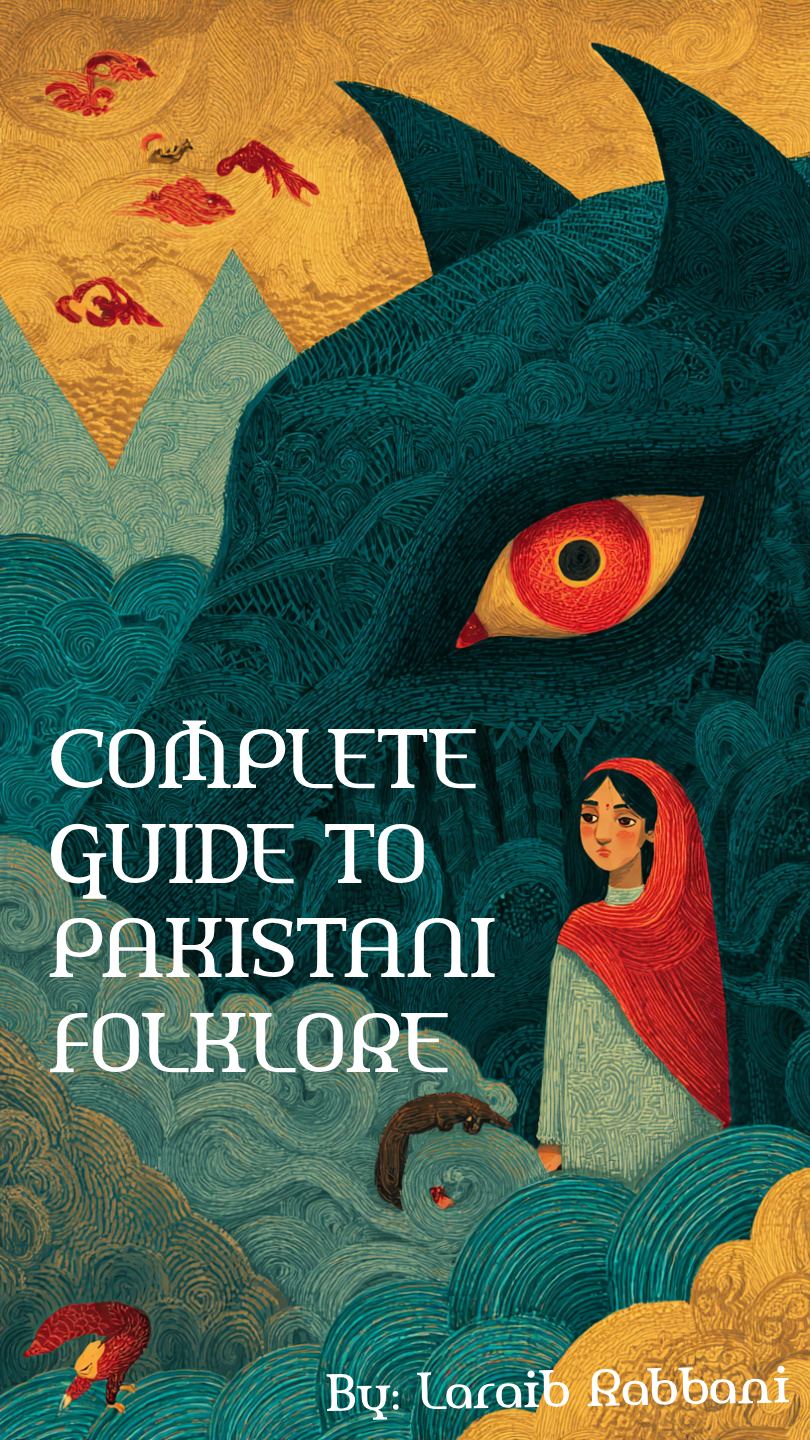
Pakistani Folklore: Ghosts, Witches, Dragons, Myths, Songs & Supernatural Legends From Every Region
Pakistani folklore is one of the most diverse, haunting, and spellbinding storytelling traditions in South Asia. Blending ancient mythology, regional cultures, Sufi mysticism, pagan highland beliefs, and rural storytelling, the tapestry of Pakistani folklore is filled with ghosts, witches, chudails, dragons, jinns, fairies, tall tales, myths, and fables that have survived for centuries.
This definitive guide answers questions like:
- Does Pakistan have folklore? (Yes and one of the richest in the world.)
- What are the 5 types of folklore stories?
- What is Pakistani folk literature?
- Famous Pakistani folklore per region (Punjabi, Sindhi, Balochi, Hindko, Seraiki, Pashto, Urdu, Kailashi, Chitrali)
🔎 What Is Pakistani Folklore?
Pakistani folklore refers to the myths, legends, ghost stories, magical creatures, heroic tales, witch lore, and regional fables passed down orally for centuries across the regions that make up present-day Pakistan.
It includes:
- Myths
- Legends
- Fairy tales
- Tall tales
- Ghost stories
- Supernatural creature narratives
These stories vary by region, but share recurring themes of morality, the unseen world, vengeance, love, betrayal, divine justice, and supernatural warnings.
🔎 What Are the 5 Types of Folklore Stories?
The 5 major types of folklore stories in Pakistan are:
- Myths supernatural explanations of creation, nature, gods, dragons, or cosmic beings.
- Legends semi-historical tales about heroes, saints, warriors, and miraculous events.
- Folk Tales moral stories featuring animals, tricksters, and everyday villagers.
- Ghost & Witch Stories chudails, jinns, demons, spirits, and cursed places.
- Fables & Tall Tales exaggerated, symbolic stories teaching life lessons.
🔎 What Is Pakistani Folk Literature?
Pakistani folk literature refers to oral and written traditions of storytelling, including:
- Poetry sung by bards
- Sufi qissa storytelling
- Romantic epics (Heer Ranjha, Sohni Mahiwal)
- Witchcraft lore
- Village ghost stories
- Tribal myths (Baloch, Pashtun, Kailashi, Chitrali)
It blends Islamic mysticism, ancient pagan beliefs, Indus Valley heritage, and Central Asian mythologies.
👻 Ghosts of Pakistani Folklore
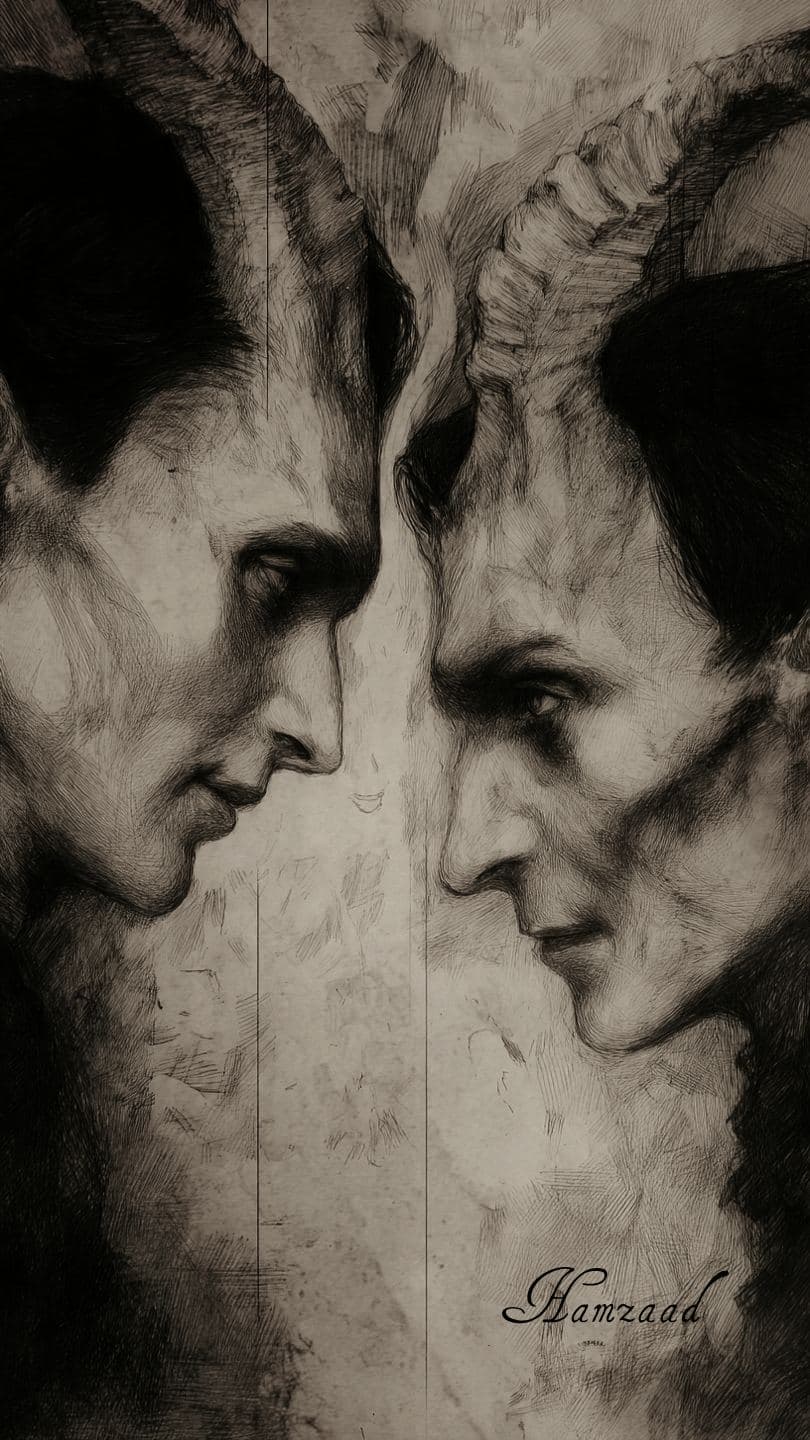
Ghosts in Pakistani folklore exist across all regions from the lush plains of Punjab to the deserts of Sindh and the mountains of Khyber Pakhtunkhwa and Gilgit-Baltistan.
Common Types of Ghosts:
- Bhoot / Pret restless dead
- Hamzad a spirit double
- Wahshi Saya a dark shadow entity
- Ghaira / Ghairat desert spirits
- Gumnam Awaaz unseen whisperers
Encounter: The Whispering Grave of Bahawalpur
Local villager Saeen Barkat shares:
“ہر جمعرات کو قبرستان میں ایک قبر سے سرگوشی آتی تھی۔
آواز کہتی تھی ‘میرے پاس بیٹھو… میں اکیلا ہوں۔'
جو بھی بیٹھتا… واپس نہیں لوٹتا تھا۔”
A shepherd claims he heard a woman humming an old Seraiki lullaby:
“چن ساجنا آجا، میں تیری آس لئی بیٹھیاں…”
When he followed the voice, the singing turned into screams.
🧟♀ Chudails: The Pakistani Witches
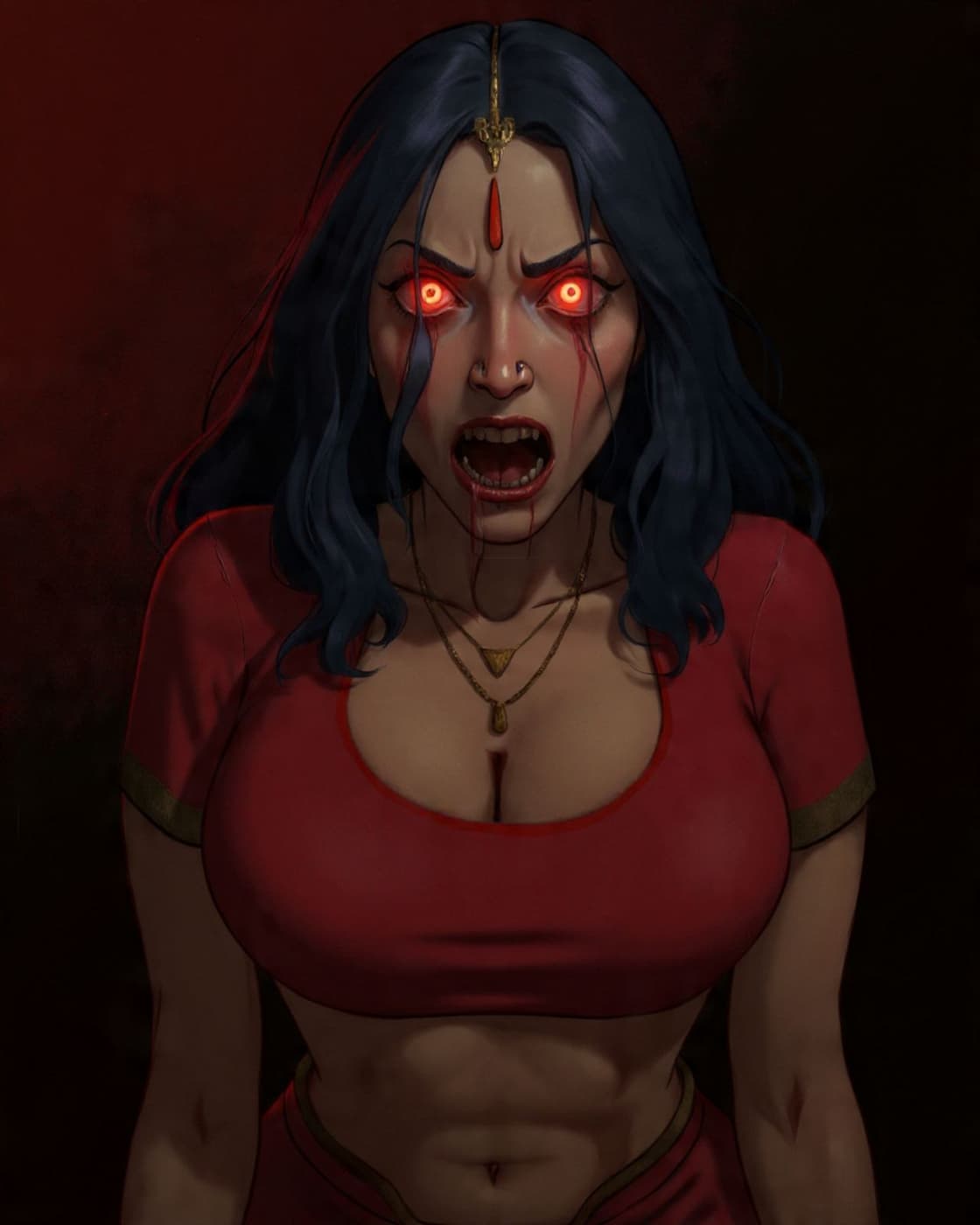
The chudail is the most iconic creature in Pakistani folklore, appearing across Punjabi, Hindko, Urdu, and Sindhi storytelling.
Distinguishing Types:
- Pichal Peri backward-footed seductress
- Daayan shape-shifting lizard witch
- Khooni Chudail blood-seeking forest spirit
- Raat Ki Balaa night witch that isolates travelers
Encounter: Abbottabad Chudail
Abdul Sami narrates:
“وہ عورت اتنی خوبصورت تھی کہ آنکھ ہٹانا مشکل تھا…
مگر جب میں قریب گیا تو پاؤں الٹے تھے۔
اس نے گانا شروع کیا:
‘آجا… آجا… میں تیرا انتظار کرتی…’
میں بھاگ نہتا تو اس کی چیخ پہاڑوں میں گونجی۔”
🧚 Peris The Enchanting Fairies of Pakistan
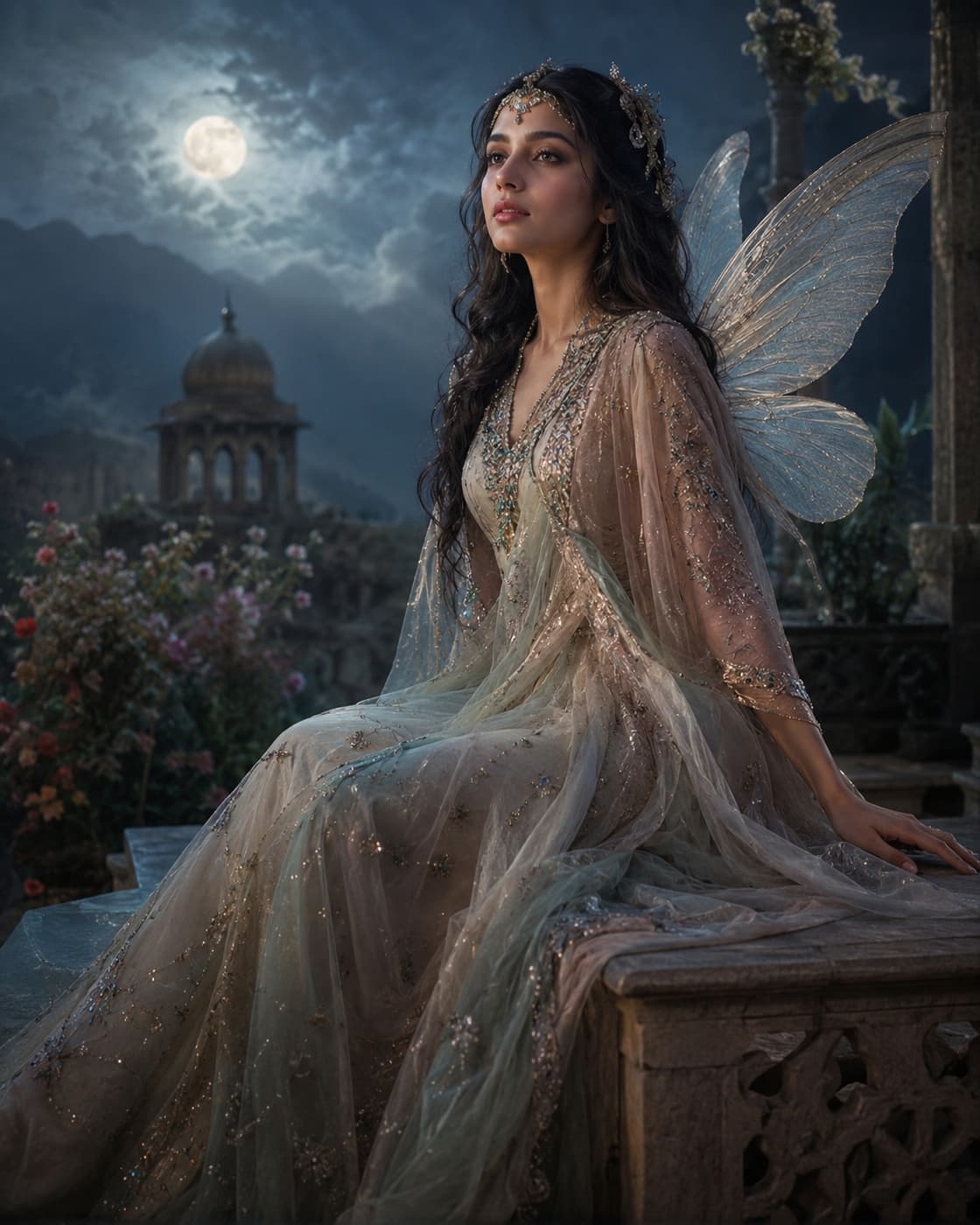
Peris are benevolent fairies appearing in valleys like Kalash, Chitral, Hunza, Kaghan, and Neelum.
Traits:
- Ethereal beauty
- Glowing wings
- Protective nature
- Appear near rivers, meadows, and ancient trees
Folk Song from Kalash:
“پری آئی، خوشبو لائی
چاند کی کرن اس کے سنگ
نوری باجہ بجنے لگا
پہاڑوں میں چھن چھن گونج”
👹 The Dragons of Pakistan (Azhdaha)
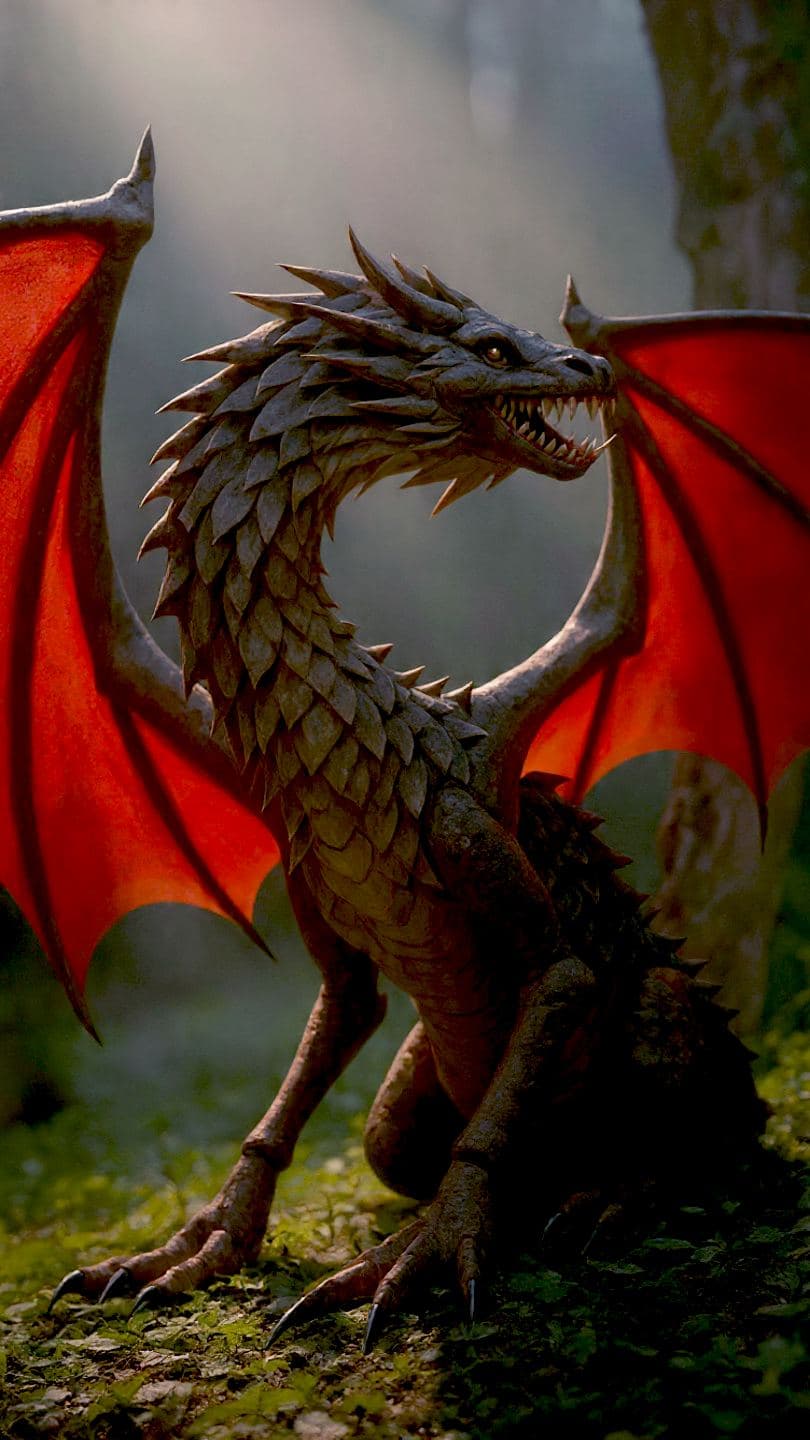
Across the northern mountains, elders speak of Azhdaha, gigantic serpentine dragons linked to:
- glacier spirits
- snow storms
- protection of hidden lakes
- ancient Himalayan myths
What is the myth of dragons in Pakistan?
The Pakistani dragon myth (Azhdaha) originates from Gilgit-Baltistan, Chitral, and Hindu Kush regions, describing giant serpents living beneath glaciers and sacred lakes. They control storms and are considered omens of great change.
Encounter: The Frozen Serpent of Naltar
A porter from Naltar recounts:
“رات کو جھیل کے نیچے کچھ ہلتا تھا…
برف پھٹتی تھی جیسے کوئی سانپ سانس لے رہا ہو…
ہمارے بزرگ کہتے تھے وہ ازدہا ہے گاؤں کی حفاظت کرتا ہے مگر غصے میں پہاڑ گراتا ہے۔”
🧞 Jinn & Jinniya Spirits Between Worlds
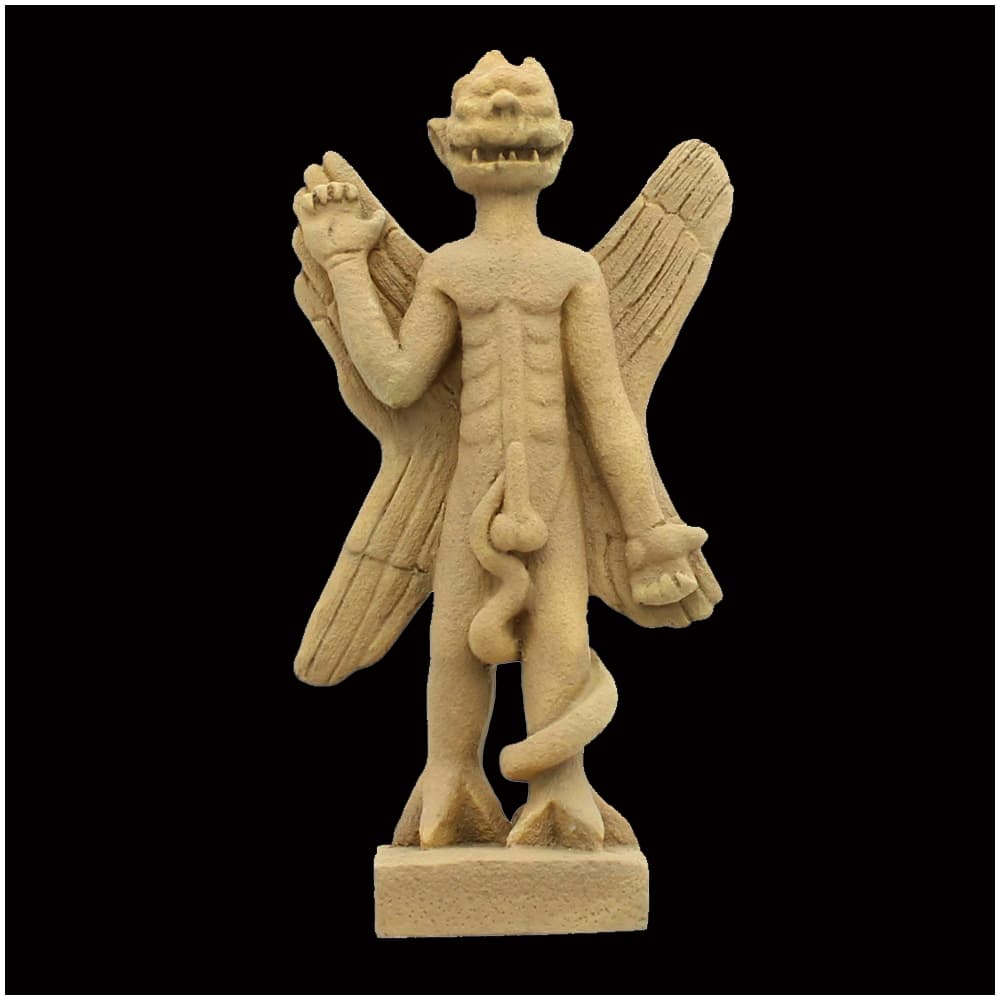
Jinns in Pakistani folklore can be:
- benevolent
- mischief-making
- violent
- wish-granting (Jinniya)
Common Regions:
- Thar deserts
- Makran coast
- Margalla hills
- Ancient graveyards
- Abandoned forts (Derawar, Ranikot)
Local Story from Makran
A fisherman said:
“رات کو سمندر سے ایک آواز آئی…
‘تم کیا چاہتے ہو؟’
میں نے سوچا وہ میری بیٹی کی بیماری ٹھیک کر دے…
اگلے دن بچی ٹھیک تھی۔
مگر میری ماں چل بسی۔
جن کبھی مفت میں نہیں دیتا۔”
🌲 Rantas The Forest Creatures
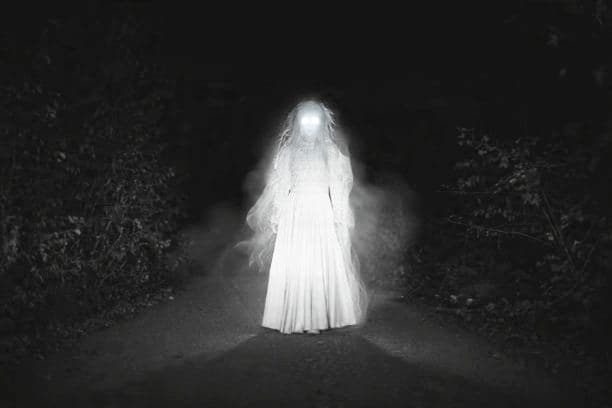
Seen in KP and northern forests, Rantas are monstrous entities with:
- long claws
- matted hair
- glowing yellow eyes
- shape-shifting ability
They kidnap travelers during heavy snow.
Encounter Told in Hindko:
“برف دی رات سی… رنتاس نے میرا بازو پھڑیا…
میں ‘یا اللہ’ پکاریا اوہ دھواں بن کے غائب ہو گئی۔”
🌬 Jatu The Stormbringers
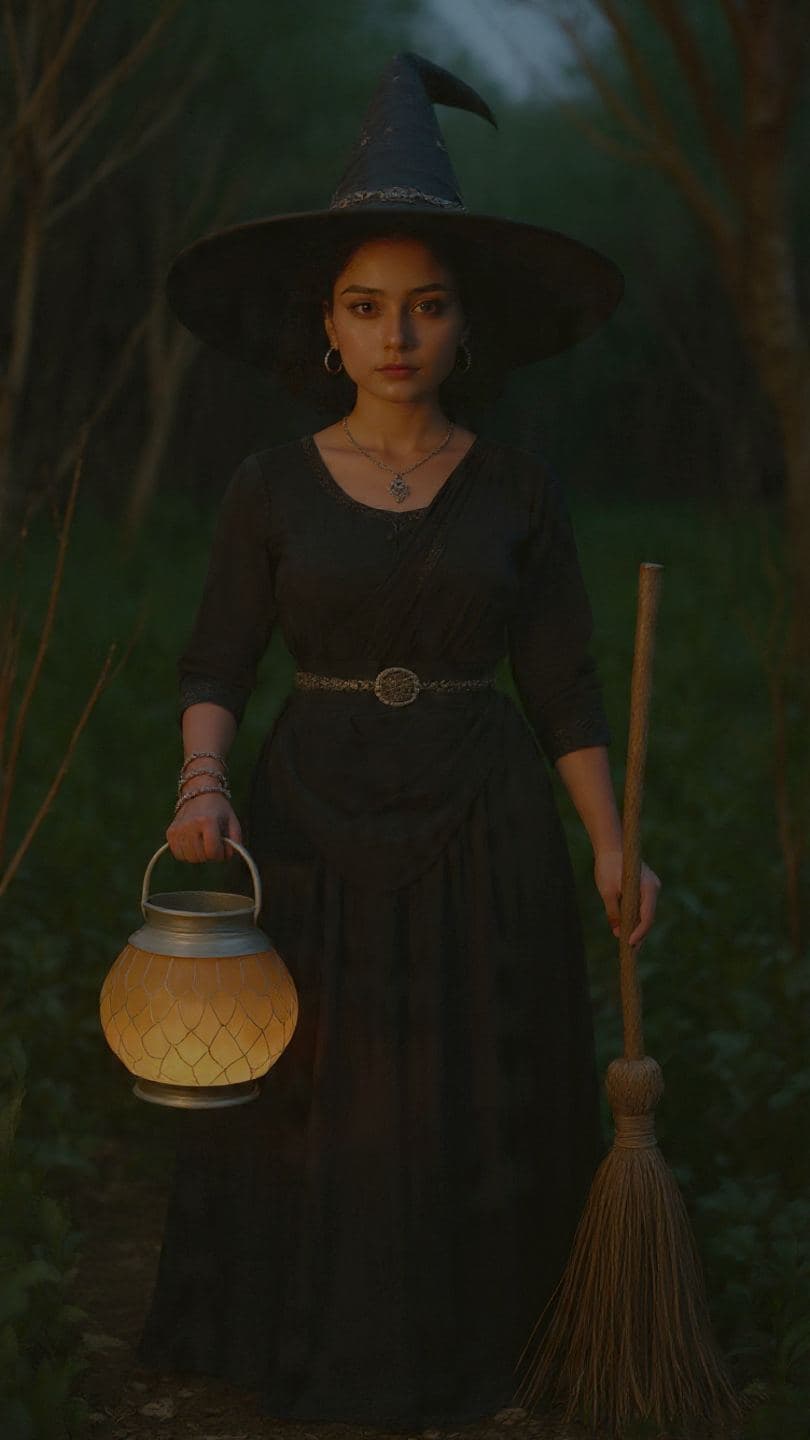
The Jatu are mythical sky witches who:
- control blizzards
- ride icy winds
- descend during harsh winters
- lure mountaineers
- bring avalanches
Chitrali hymn elders recite to ward off Jatu:
“ہوا نکلو، جادو مڑو
پہاڑاں دے رکھوالے آؤ
جتو دا سایہ دور کرو”
🧙♀ Daayan Shapeshifting Witch
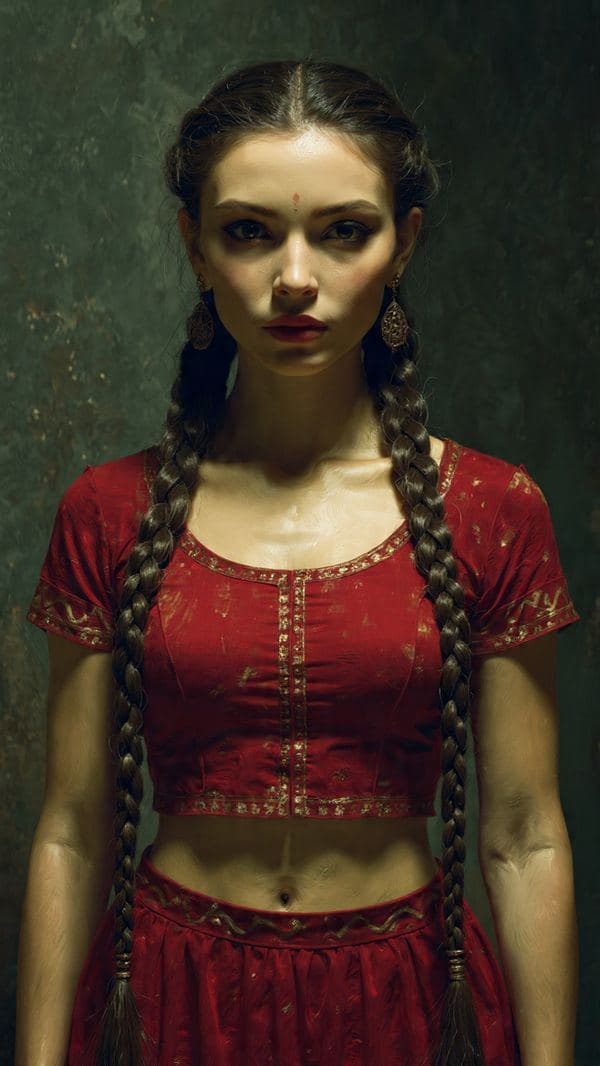
Common in Punjab, KP, and rural Sindh.
Abilities:
- Shapeshifting (often into a giant lizard)
- Draining vitality
- Causing unexplained sickness
- Flying between trees
Punjabi Village Story:
“رات کو جس درخت پر سرخ کپڑا بندھا ملے اوہ ڈائن دا ٹھکانہ ہوندا ہے۔”
🧜♀ Gwat Water Nymphs

Gwat inhabit:
- Swat River
- Neelum Valley waterfalls
- Hunza lakes
- Arabian Sea coast
Song fishermen claim they hear:
“لے چل مجھ کو نیلی لہروں میں
جہاں آوازیں سونے کی
میرا دل وہیں رکے”
🕯 Regional Folklore
⭐ What Is a Famous Punjabi Folklore?
Heer Ranjha the legendary tragic love story representing Punjabi cultural identity, incorporating mysticism, rebellion, and divine love.
⭐ What Is a Famous Sindhi Folklore?
Sassui Punhun the story of Sassui’s desert journey searching for Punhun, symbolizing devotion, resilience, and destiny.
⭐ What Is a Famous Pashto Folklore?
Adam Khan & Durkhanai a Pashtun romance and tribal tragedy that highlights honor, courage, and loyalty.
⭐ What Is a Famous Seraiki Folklore?
Dhol Sammi a mythical desert queen who vanishes into the dunes; her songs still echo in Seraiki weddings.
⭐ What Is a Famous Urdu Folklore?
Urdu folk literature is essentially multi-regional, but the most popular story is Umm-ul-Duwais, an urban-jinn witch tale spread through oral storytelling.
⭐ What Is a Famous Hindko Folklore?
Makra di Kahani the tale of the giant Himalayan spider demon who tests the bravery of young shepherds.
⭐ What Is a Famous Kailashi Folklore?
Dezau’s Daughters mountain fairies who descend during harvest, blessing or cursing villagers based on respect for ancient customs.
⭐ What Is a Famous Balochi Folklore?
Hani & Shah Mureed the legendary tale of loyalty, pride, and sacrifice; considered the “Balochi Romeo & Juliet.”
🐉 Chitrali Mythology: The Nihang Serpent
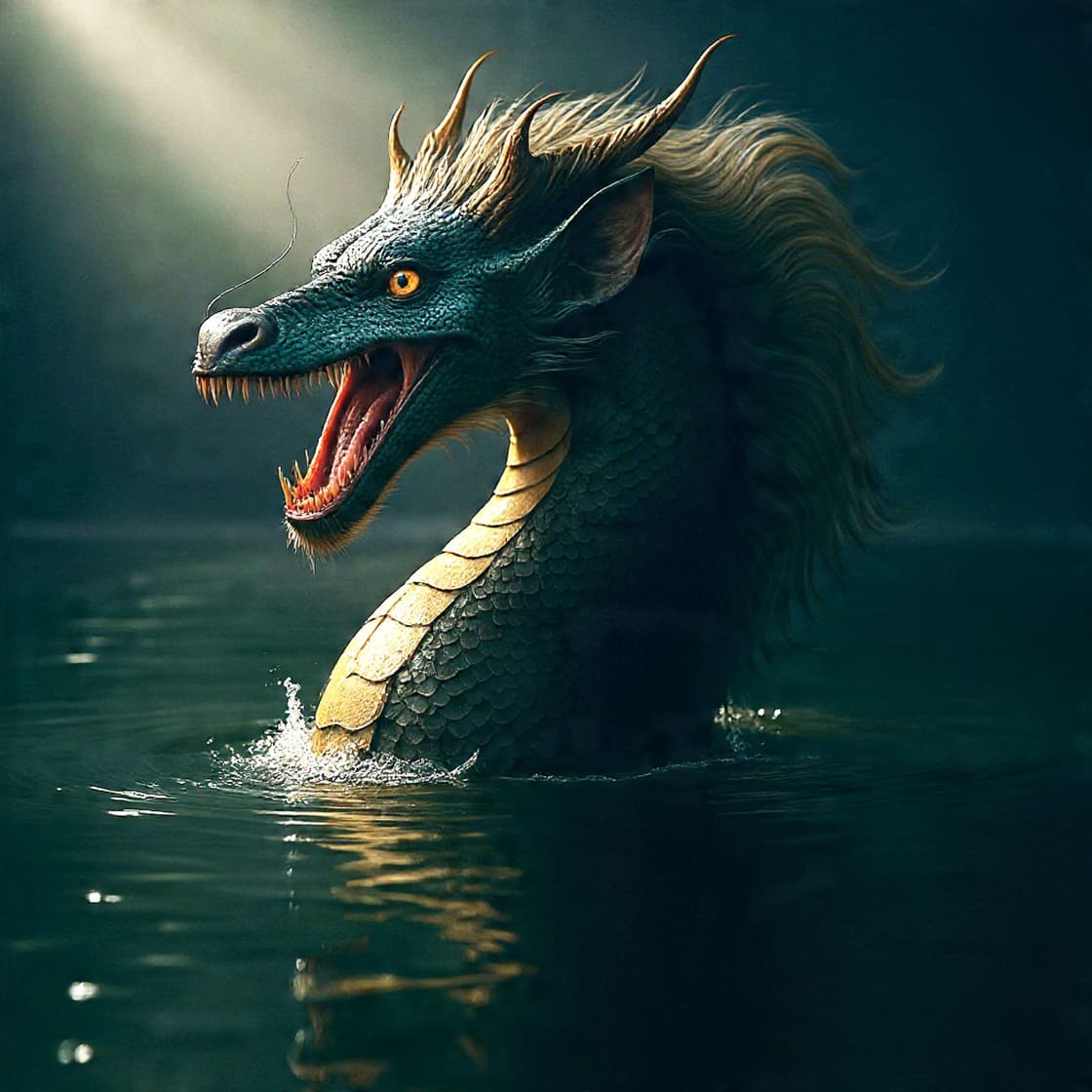
Nihang is a colossal water serpent believed to inhabit the deepest lakes of Chitral.
Traits:
- Blue-black scales
- Eyes “like burning coal”
- Creates whirlpools
- Guardian of sacred valleys
Local Quote:
“نیہانگ غصے میں آئے تو پوری جھیل الٹ دے۔”